At 18 years old, one of my biggest obsessions has become growing exotic fruit trees in subtropical Queensland. While most people my age are focused on cars, partying, or mainstream hobbies, I’ve spent the last few years building a collection of tropical and subtropical fruit trees that most Australians have never even heard of.
Living in Queensland gives us a massive advantage when it comes to growing exotic fruit. Our warm summers, humidity, and relatively mild winters make it possible to grow species that many people assume could only survive in the tropics. I’ve become fascinated with pushing those limits and experimenting with what can actually thrive here.
My long-term goal is to eventually turn a large property into a full tropical fruit paradise filled with rare species from all around the world. Right now, this is the beginning of that journey.
My Current Exotic Fruit Collection
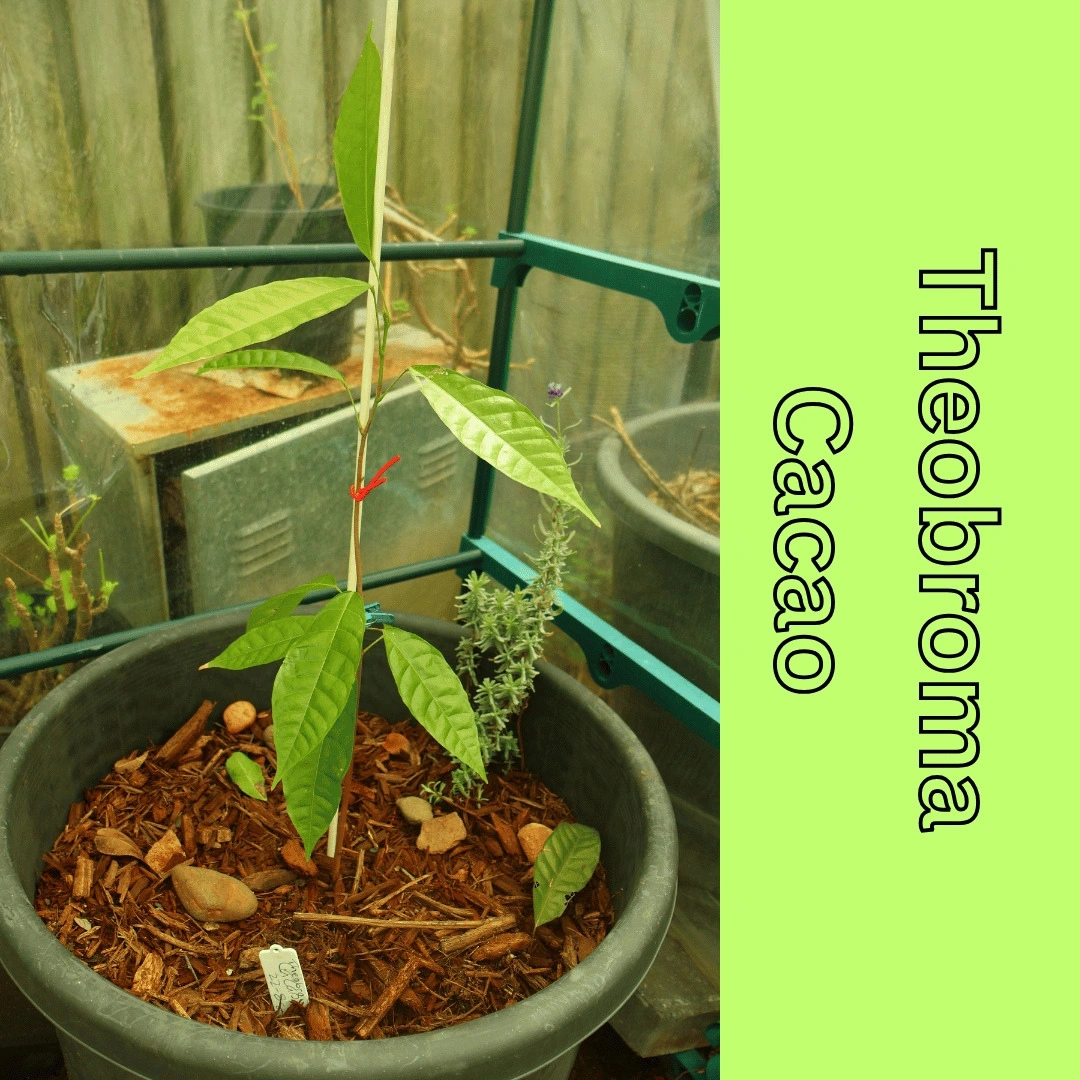
Theobroma cacao (Cacao)
One of the species I’m most excited about is cacao, the plant chocolate comes from. Most people don’t realise cacao is extremely tropical and normally prefers rainforest-like conditions with high humidity, warmth, and protection from cold.
Growing cacao in subtropical Queensland definitely comes with challenges, especially during winter, but I’ve been experimenting with greenhouse growing, humidity management, nutrition, and microclimates to try and accelerate growth as much as possible.
Watching a cacao tree grow from seed has probably been one of the most rewarding plants I’ve ever grown so far.
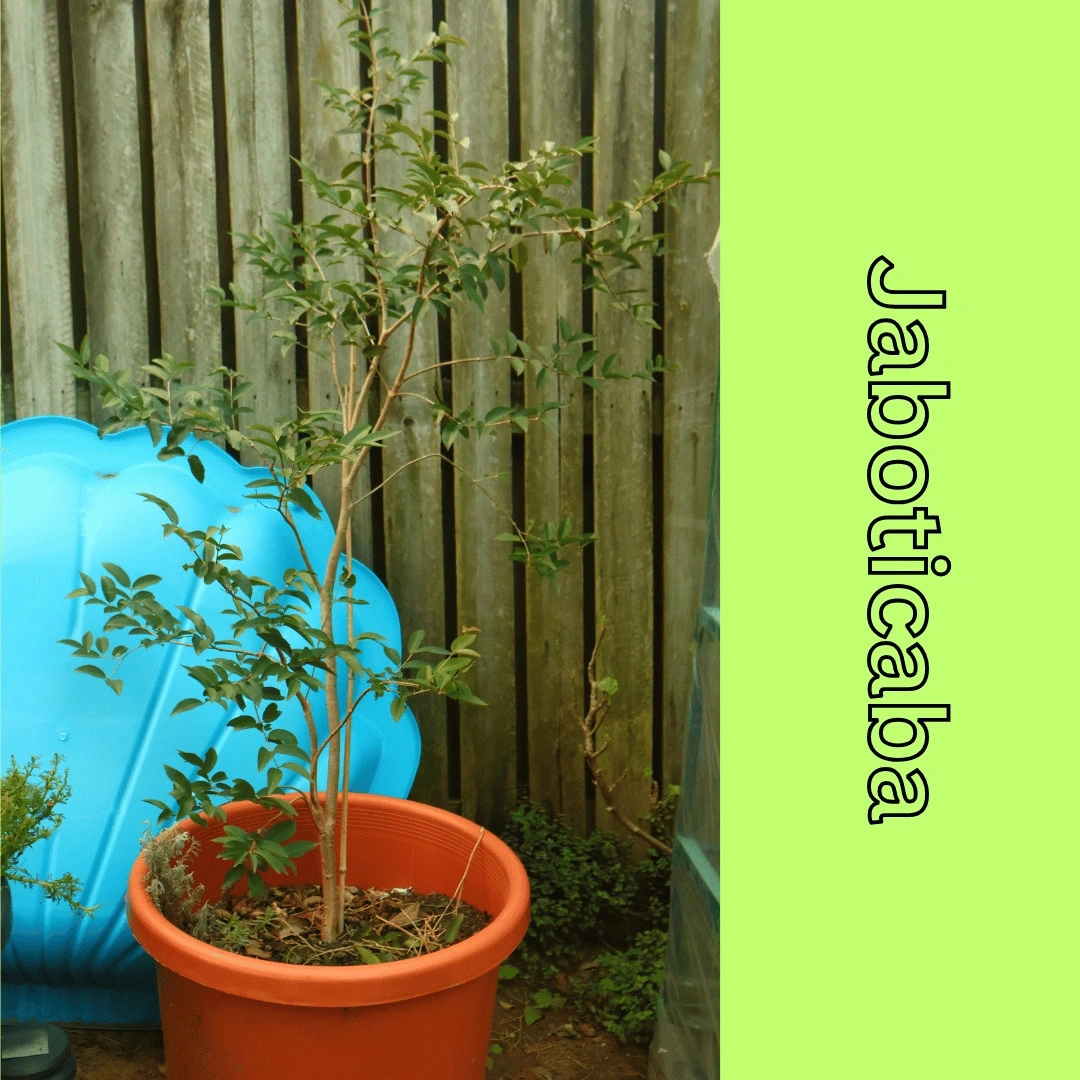
Jaboticaba
Jaboticaba is easily one of my favourite fruit trees in my collection. Native to Brazil, jaboticabas are famous for producing grape-like fruit directly on their trunk, which makes them look unreal when fruiting heavily.
They grow surprisingly well in Queensland’s subtropical climate as long as they receive enough water and organic matter. Mine is still relatively young, but it’s one of the species I’m most excited for long-term because older trees become absolutely incredible specimens.
One thing I love about jaboticabas is how collectible they are. There are multiple species and varieties, all with slightly different growth habits and fruit.
Jackfruit
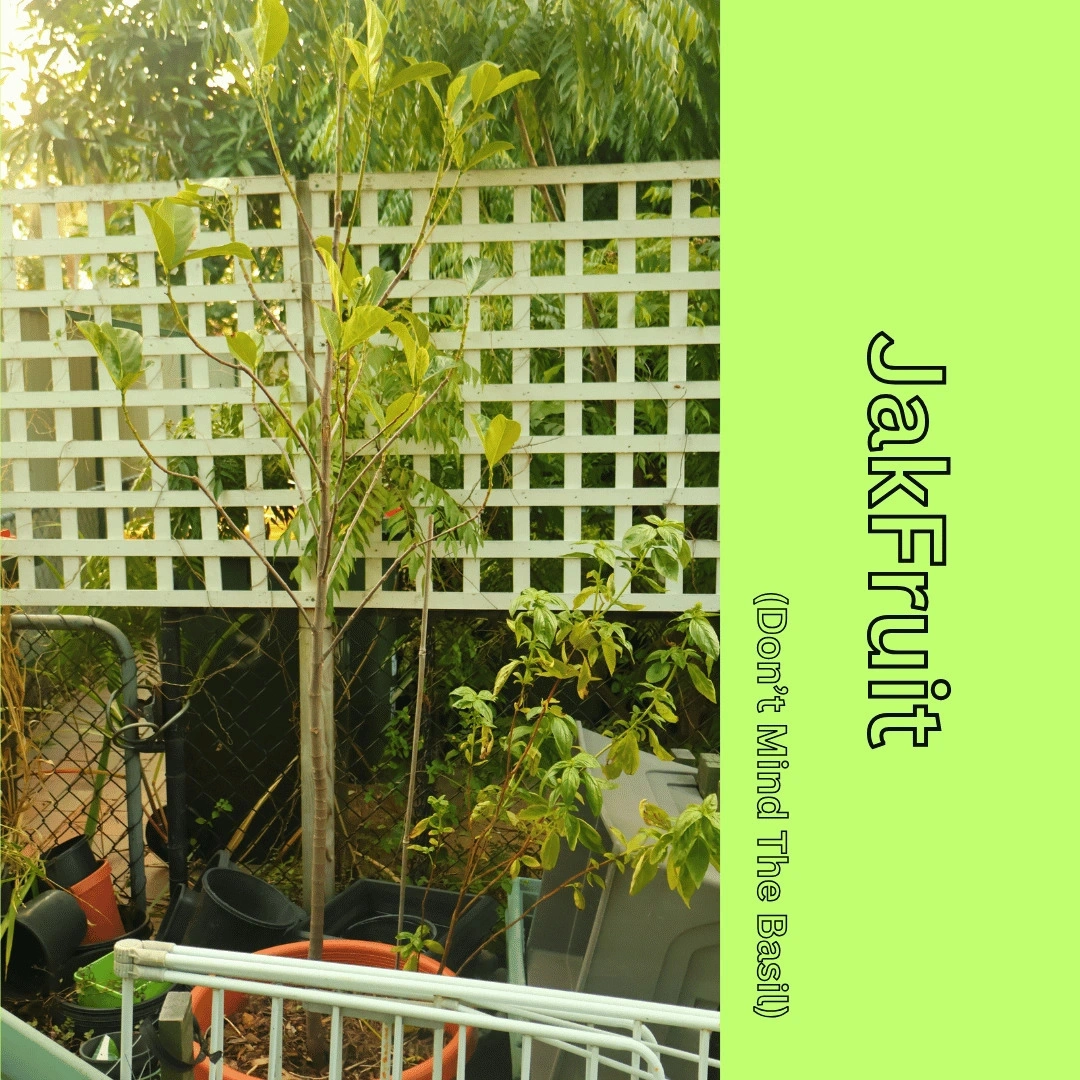
Jackfruit has become one of the centrepieces of my collection because of how tropical and dramatic it looks. The leaves, growth habit, and massive fruit make it feel like something straight out of Southeast Asia.
Queensland’s climate is warm enough to grow jackfruit successfully in many areas, although protection from cold while young definitely helps. Mine is still developing, but I eventually want it producing large fruit consistently.
Jackfruit is also one of the most productive tropical fruit trees once established, which makes it even more appealing.
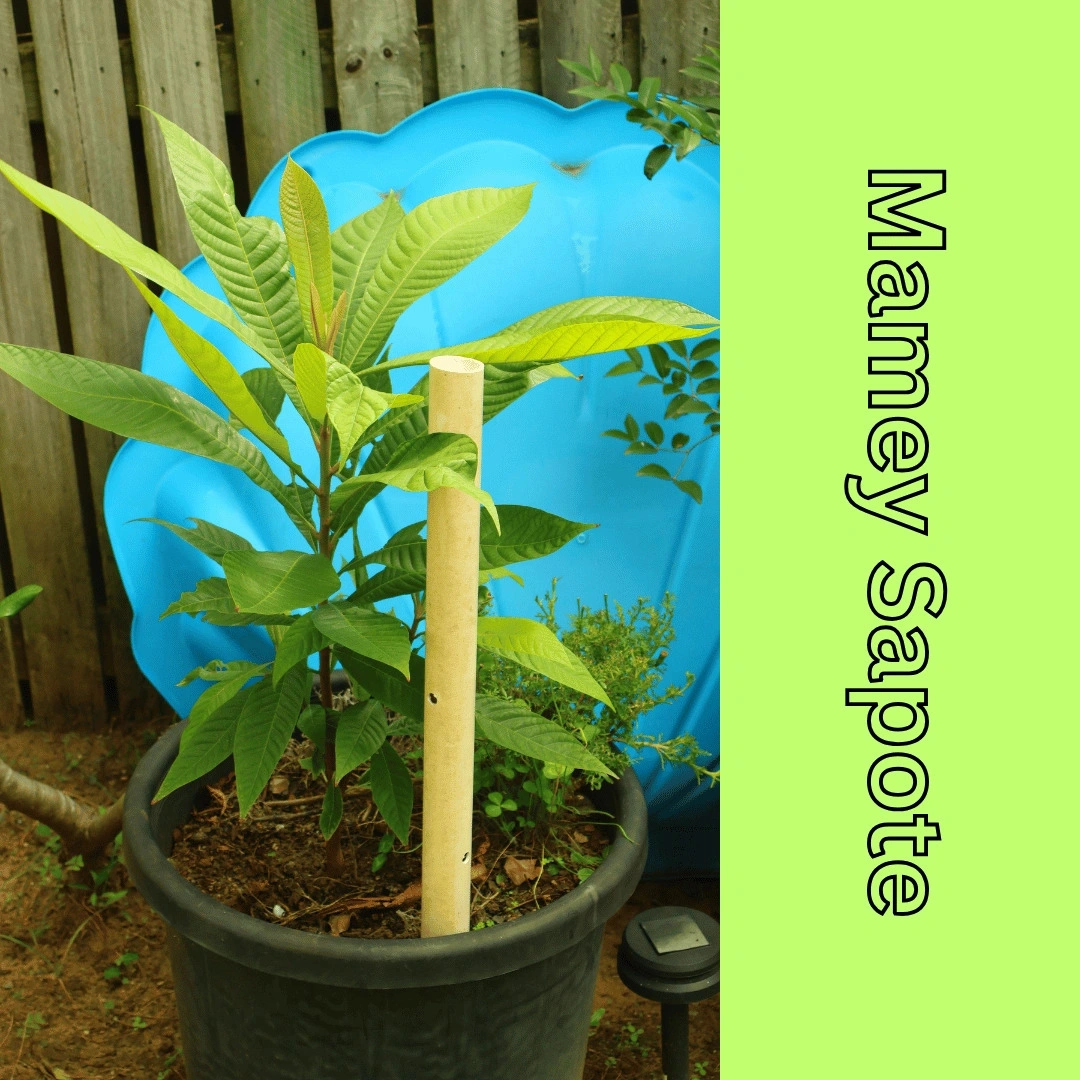
Black Sapote
Black sapote, often called the “chocolate pudding fruit,” is another species I had to add to my collection. The fruit has a really unusual texture and flavour when fully ripe, and the tree itself handles subtropical conditions surprisingly well.
Mine is still fairly small, but it’s already adapting nicely to the climate. One thing I like about black sapote is that it feels like one of those underrated fruit trees that deserves way more attention in Australia.
Starfruit (Carambola)
Starfruit is one of the fastest-growing and most rewarding trees I’ve worked with so far. I currently have an air-layered starfruit, and it has handled the Queensland climate really well.
One of the reasons I like starfruit so much is because it fruits relatively quickly compared to some slower tropical species. The tree also has a really attractive structure and responds well to pruning and shaping.
Curry Leaf Plant
While technically more of a culinary plant than a fruit tree, my curry leaf plant has become one of the most vigorous and useful plants I own. It absolutely thrives in the Queensland climate and grows aggressively during warm weather.
It’s also one of the easiest plants in my collection to propagate, which makes it a great option for plant selling and experimentation.
What Makes Growing Exotic Fruit in Queensland So Interesting
One of the biggest reasons I enjoy growing exotic fruit trees here is because Queensland sits in a unique climate zone. We’re warm enough to grow many tropical species, but we still face limitations from winter cold, dry periods, and occasional temperature drops.
That creates a huge amount of experimentation:
greenhouse growing
humidity management
microclimates
frost protection
soil biology
nutrition
electroculture experiments
(More on that soon)
container growing vs in-ground growing
I find that side of horticulture incredibly interesting because there’s always something new to learn.